株式会社鳳 | はるか
ブログ詳細
2026/03/01 |
Exploring the psychology behind casino gambling choices
The thrill of uncertainty
The allure of casino gambling often lies in the unpredictability it presents. When players step into a casino environment, they are drawn by the excitement that comes with the potential for winning big. This thrill is closely linked to the human brain's reward system, where the anticipation of a win triggers the release of dopamine, a neurotransmitter associated with pleasure. Additionally, many players search for the best online casinos nz that offer these thrilling experiences. The unpredictability of outcomes in games like slots or blackjack keeps players engaged, as they always hope for a favorable turn of events.

This psychological aspect is further compounded by the concept of near misses, where players come close to winning but ultimately fall short. Near misses can actually encourage continued play, as they create a sense of hope and keep players invested in the experience. Thus, the combination of thrill and uncertainty plays a crucial role in shaping gambling choices, making players more likely to return for more.
Social influences on gambling behavior
Gambling is not just an individual activity; it is often a social endeavor. Casinos are designed to foster social interactions, with many games encouraging group participation. The social atmosphere can significantly influence a player’s choices, as people tend to mimic the behaviors of those around them. This phenomenon, known as social proof, can lead individuals to try games they may not have considered otherwise.
In addition, peer pressure can also impact gambling decisions. Friends or family members who gamble might encourage others to join in, reinforcing the behavior. This communal experience can lead to increased participation, as individuals may feel a sense of belonging within the gambling community. These social dynamics highlight the profound effect of interpersonal relationships on gambling choices and behaviors.
Behavioral economics and gambling decisions
Understanding the psychology of gambling also involves exploring concepts from behavioral economics, which studies how psychological factors influence economic decision-making. For instance, the idea of loss aversion suggests that people are more motivated to avoid losses than to seek gains. This can lead to irrational gambling behavior, where players continue to gamble in an attempt to recover lost money, often resulting in even greater losses.
Additionally, the framing effect can alter how individuals perceive risk and reward in gambling. For example, presenting the odds of winning in a positive light may encourage more participation, whereas highlighting the potential for loss might deter players. This manipulation of perception can significantly influence gambling choices and overall engagement with casino games.
The role of marketing in gambling choices
Casinos employ a variety of marketing strategies to attract and retain customers, deeply entwining psychology with consumer behavior. Promotional offers, loyalty programs, and enticing advertisements are designed to create an emotional connection with potential gamblers. By appealing to players' desires for excitement, social interaction, and financial gain, these marketing tactics can significantly affect gambling choices.
The design of the casino environment itself also plays a role in influencing decisions. Bright lights, sounds of winning, and strategically placed games create an immersive experience that encourages prolonged play. This psychological manipulation of the environment can lead to impulsive decisions, as players find themselves caught up in the casino atmosphere, often resulting in choices they might not make in a more rational mindset.
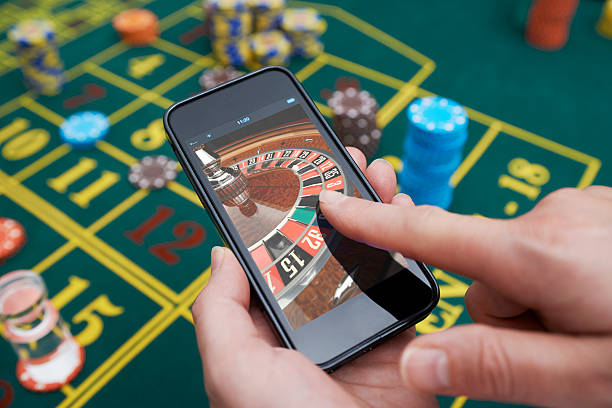
Understanding the importance of security in the gambling environment
In today's digital age, the security of online gambling platforms has become paramount for both players and operators. Ensuring a secure gambling environment not only fosters trust but also enhances the overall gaming experience. As players navigate online casinos, they must feel confident that their personal and financial information is protected from potential threats.
Online gambling sites often implement robust security measures, such as encryption and secure payment gateways, to safeguard users' information. By prioritizing security, these platforms can create a safe environment that encourages responsible gambling while minimizing risks. As players feel secure in their choices, they are more likely to engage positively with the gambling experience, leading to a healthier relationship with casino gaming.
© HARUKA Co. Ltd.